TimeWarped
Marise McConaghy, Principal

 Loading events...

Dear Parents and Caregivers
Over the past Melbourne lockdowns – all six of them and the times in between - I have frequently been in the position where I cannot remember what happened in which lockdown. In fact, apart from significant matters, like running the School and how my kids are going (and my husband, I guess), I can’t rely on my memory as much. I have found myself going to Maling Road to get a coffee and go to the IGA, only to arrive back at work having forgotten to go to the IGA or vice versa. I was speaking about this last week with Ms Herft when we were trying to recall what restrictions were lifted at what times during previous lockdowns or what even happened this year or last.
Then I had dinner before this most recent lockdown with one of my daughters – who has some tendencies towards hypochondria, particularly when she is stressed, in the sense that if she has any slight issue, she Googles away until she finds something that aligns, frets about it for a few days while she considers her symptoms, and then moves on. She had decided that she may have early-onset Alzheimer's (she is 30) as her usually high capacity memory has not been so sharp of late and words and names were not coming to her quite as easily. She has been working from home since March last year. Her research led her to many newly written articles, one of which is titled Covid-19: Has the Pandemic Harmed Our Memories? (Hammond, 2021)
Then on Monday, Ms Herft shared with me How the Groundhog Day Grind of COVID Lockdown Scrambles Your Memory and Sense of Time (Osth, 2021). It was consoling to know that my daughter and I are not alone in grappling with the slipperiness of time and memory over the past 18 months and that someone had even published a book about it called Time Warped (Hammond, 2021), which perfectly describes how our experience is. Apparently, there is increasing theoretical and experimental evidence that suggests both memory and time perception are based on the same underlying principle: a change in your physical and/or mental state. So, it follows, that because there has been such a sameness in lockdowns there has not been the stimulus for memory to be made. Instinctively, in the first lockdown and mostly thinking about wellbeing, the School re-timetabled so that the girls had a chance to move away from their screens and stretch or go outside for a change of scenery. While this constant tweaking of the timetable in response to the students’ needs was a massive amount of work for Ms Herft and our timetabler, it seems clearer now that this would have assisted in their learning and retention of information, not to mention their wellbeing.
It is somewhat consoling to know that at the University of California, research is beginning on how the lockdown has affected people’s memories. It has been reported that even in some of those amazing people who usually remember events like buying tickets well in advance or the detail of random things that happened 20 years ago because they have highly superior autobiographical memories, are finding they are forgetting things. BBC Radio 4 reported from research they had access to that the most common change was forgetting when an event or incident happened, which a very high percentage of people said was happening to them. This suggests that the isolation of lockdown has affected our perception of time, which is hardly surprising. Research of the literature on time perception for Time Warped was clear that some memories come with what is referred to as a time stamp. When memory is distinctive, vivid, personally involving and becomes a tale we have recounted many times since, we can pinpoint that memory exactly, or pretty much so, in the timeframe of our life. In lockdown, for the most part, not very much that is vivid or distinctive or very interesting to anyone has happened since March last year. Our range of activities has been very restricted – online meeting, walking, watching television, yet another meal at home. Days, weeks, months have merged into one. Last Wednesday feels very much like the previous Monday, and it is very hard to know even which day or month it is. I, for one, have to keep checking on my phone. This week, I have been sure it is Friday tomorrow since Monday. Catherine Loveday, Professor of Cognitive Neuroscience at the University of Westminster (quoted from The Art of Rest by Claudia Hammond) makes the analogy of trying to remember what has happened to you when there is little distinction between different days as being like trying to play a piano when there are no black keys to help you find your way around.
Lack of social interaction and doing different things means we have fewer stories to tell. I think all of us have done family or friend Zoom meetings where we end up feeling that there is nothing much to say. By now, we have said it all about politicians, health authorities, vaccination, speculation on what will happen next, who is most to blame, and how little Queenslanders understand nothing of what we have been, and are going through, and how insensitive they are posting photographs of themselves free in the sun in summer clothes with friends – and they dared complain about a teeny tiny lockdown (do I sound bitter?!). So, we have fewer stories to tell and repetition of stories helps us consolidate our memories of what happened to us – so-called episodic memories. When we do get a chance to chat, our stories are of holidays cancelled, concerts and sporting events going ahead without live audiences (or going to Queensland at the Gabba with a live audience) and as for work, well, they are mostly tales of woe. Online is harder work, far more preparation if you are a teacher and I expect other professions, exhaustion, technology letting us down, the dog barking and needing to be let in and out when it is impossible to get up because you are wearing track pants (happened to a barrister in court recently, I am told – the Judge was not amused), the children not doing or be able to do what they should, worry about teenagers etc. Our conversations are not the same – they do not have the same rhythms, ease and smoothness of exchange - and we are out of practice. On technology based interactions, we are less likely to mention the inconsequential things that have happened. To make it worth persevering through the delays, freezes, drop offs, lack of clear visual cues and clashes in conversation, it feels like your story needs to be worth the effort of telling. If your threshold for what counts as interesting enough to share in this context rules most of what you have experience out then once again the opportunity for underlining those memories is lost.
Other common memory difficulties, revealed by the new data, were forgetting you were told something, or forgetting things you said you would do. It is believed the most likely explanation for this is a lack of cues in the external environment. Instead of travelling into work, moving about in an office building, going to other places for meetings and bumping into people and incidentally chatting, there have been few cues, clues or prompts to assist our memory as pretty much everything in our locked down world is the same.
It is also notable that most distinctive memories, the sort that are time stamped or that we tend to remember, involve events that take place outside, which might fit in with the hypothesis that when we are away from home, the hippocampus in our brain becomes more active, possibly a primal wiring for survival for a need to find our way back home. By contrast, if our lives become more confined, activity in this part of the brain that is so crucial for autobiographical memory, is likely to reduce. It follows that this new research in memory in lockdown, one of the biggest predictors of how good people felt that their memories were, was how much they moved around during the day. Remember those studies showing that black cab drivers who learn every back street in London end up with a larger hippocampus? Likewise, it has been found that drivers who rely on Sat Nav rather than finding their own way, made fewer spatial memories.
Science reporter for ABC Health (All in the Mind) reported the work of Cognitive Neuropsychologist, Susan Russell of Swinburne University who has been studying the mental health of Australians during this crisis, what we have known for over 100 years, which is that as soon as humans get stressed, anxious or undergo any trauma, cognition becomes impaired. So, another of the reasons that our memories have weakened and we cannot remember time contexts or words or things, is that this long term stress of being in protracted lockdowns in a global pandemic means that we are all under varying degrees of stress, which affects cognition. Making decisions is harder because, while doing routine things is hard wired in to our brains, higher order planning, thinking and decision-making requires the executive function which accesses the prefrontal cortex. Of particular importance for us as a School and parents of young people is this: if we accept that this stress affects our ability to make good decisions, and we need to understand other people’s perspectives to do this, then it may explain some of the poor decision making our young people are making online, particularly in relation to interpersonal interactions (TikTok choices, online comments, what they choose to post etc). We know that the brains of young people are not mature, in fact, the frontal lobe is not fully developed until the age of 25 (older for boys if my son is any guide) as the final bit of brain development occurs between the ages of 18 – 24 and this is the frontal lobe, which controls decision-making.
What to do to help our memories?
And lastly, our memory systems are not broken as such, but they are just not firing on all cylinders all the time at the moment. When life is less lockdown and more varied, the old cues will be there and our effective memories will return. Soon, like other aspects of this strange time, increased forgetfulness will – thankfully – fade from our minds. It might be that we won’t mind if we do forget a fair bit of life in lockdown, but remember enough to tell our grandchildren.
Kind regards
Mrs Marise McConaghy, Principal
We are pleased to announce the Year 12 Leaders for 2022. Congratulations to all the students on this wonderful achievement.
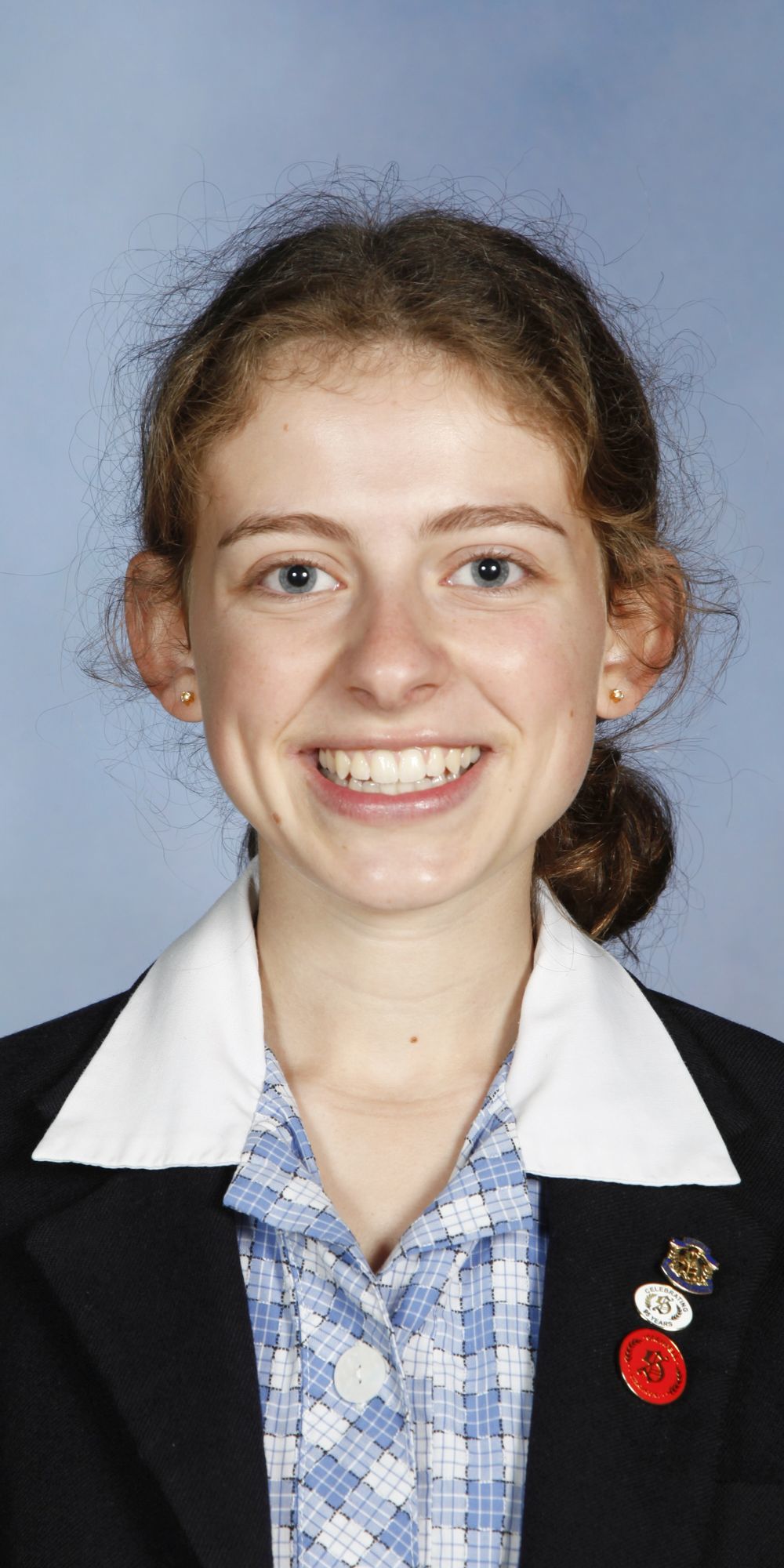
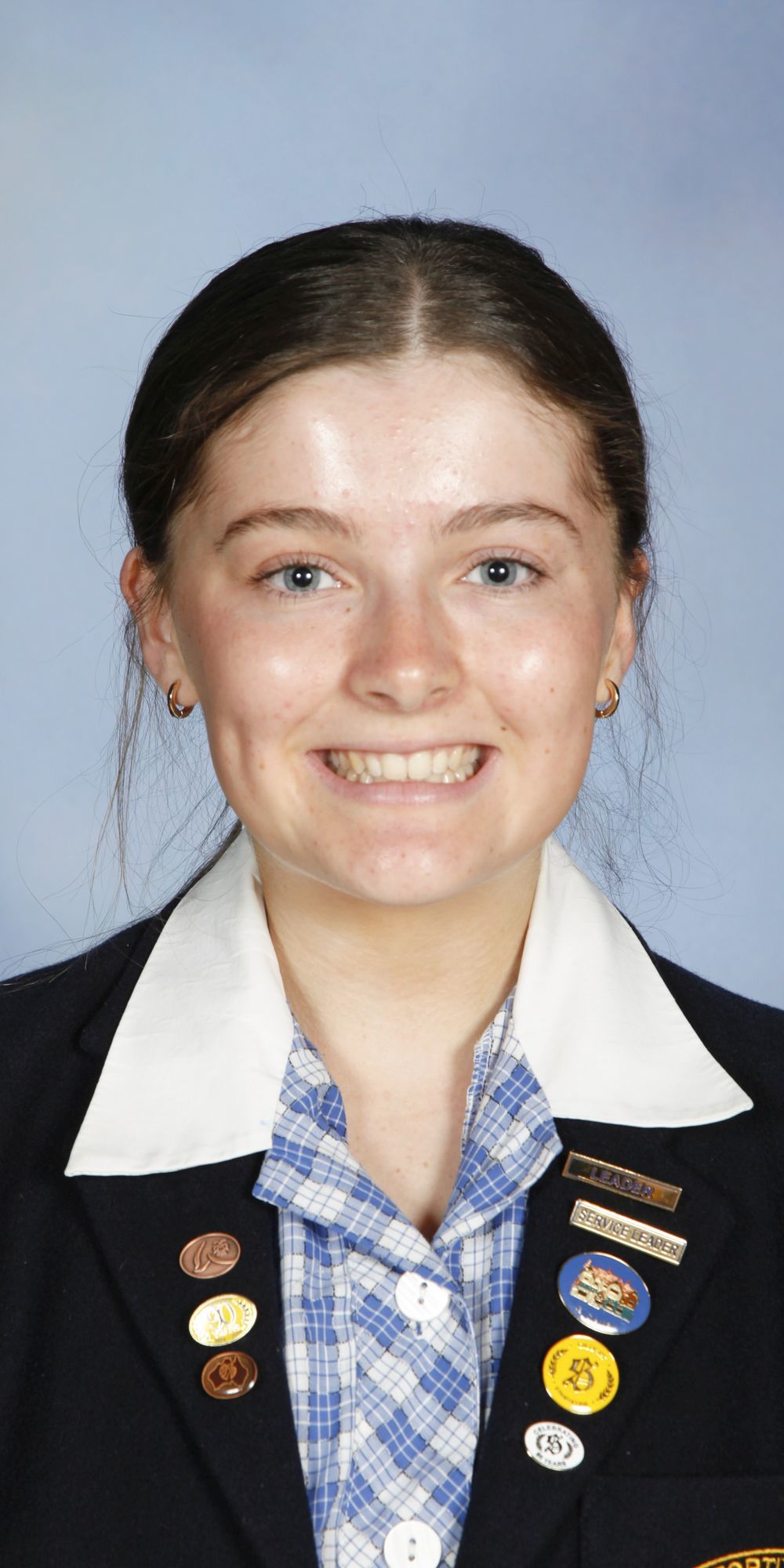
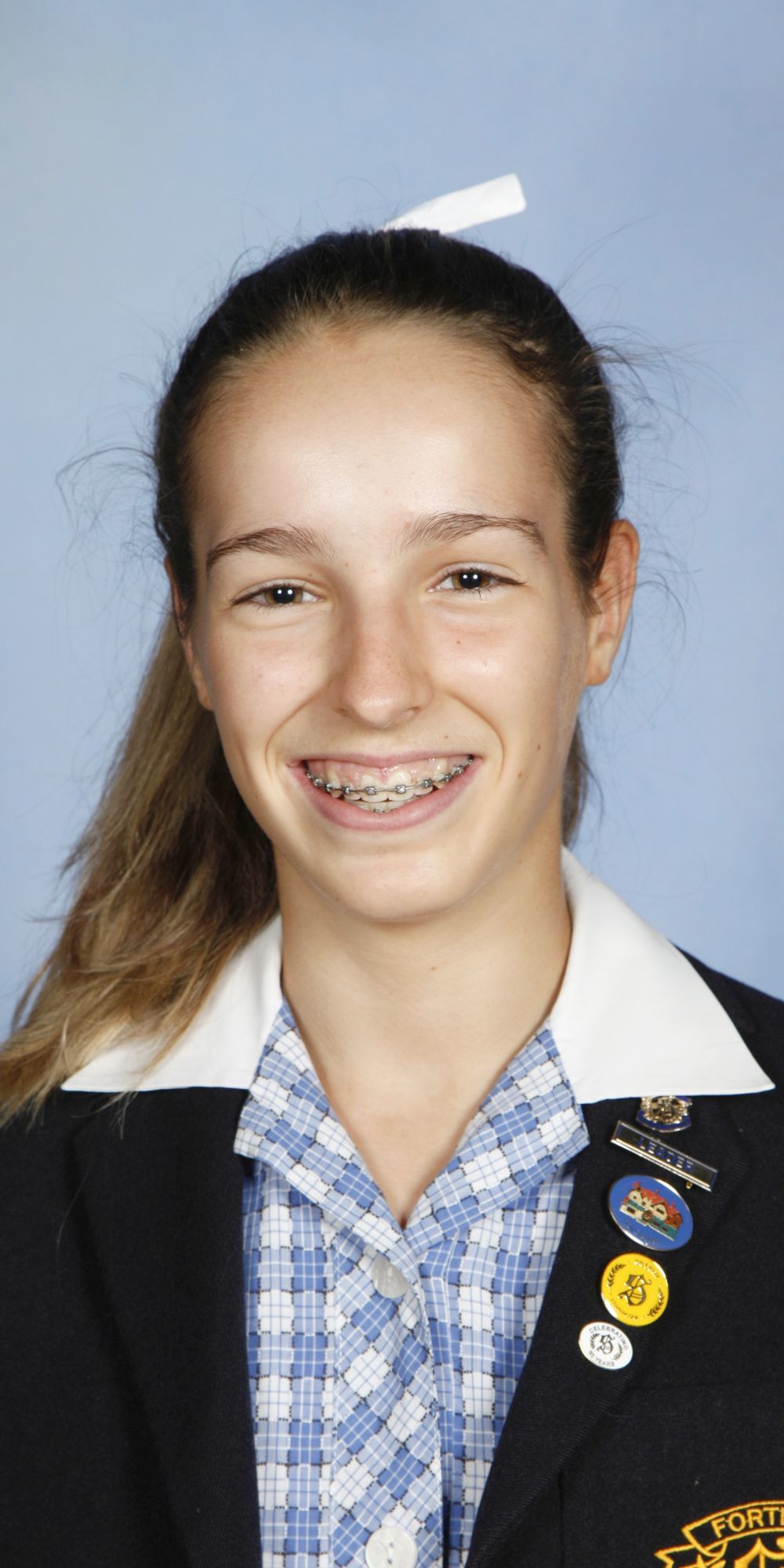
School Captain Deputy Captain Deputy Captain
Jacqueline Evans Chloe Plant Elizabeth O'Sullivan

This week we celebrate 2021 National Science Week, albeit remotely. Science education for our students here at Strathcona, and in the broader community, is more important than ever as we live through a global pandemic.
It may appear that the only Science related news we receive at the moment is about the development of an effective vaccine, however, our students know there are other areas where there is much research and problem-solving occurring. Across the curriculum students not only learn about the fundamentals of each science discipline and scientific method, but also drill down into topics such as climate change, conservation of species and habitats, sustainable resourcing solutions and the potential effects of prolonged stress on the body, to name a few. It is natural that students have disciplines and topics that they prefer and enjoy, but the result is the same; we have young people who are scientifically literate, able to think independently, and question information presented to them. This applies whether it’s occurring in a classroom, by reading an article or watching the latest ‘hack’ video on TikTok – we know that our students have the skills and knowledge to evaluate and discuss the scientific merit behind what they see and hear.
Our students have recently been able to experience new opportunities beyond the classroom that have enabled them to engage with experts and mentors in their chosen fields. These include:
We thank our STEM Leader, Jacinta Li for making this tutorial video on Oobleck and hope that this National Science Week, we can all appreciate what Science has done and continues to do for us locally and globally, whilst having a little fun at the same time.
Ms Rebecca Kerr, Head of Science


Young people’s sleep is potentially just as prone to ‘corona-somnia’ as in adults. Lockdown and restrictions alter how young people spend their leisure time, see friends, and engage in their normal relaxation activities. Uncertainty and change, bouncing in and out of school classrooms and online learning, can be extremely disruptive to some students. Sleep is a critical factor in maintaining good mental health.
Online learning can blur the lines between the home experience and what students would usually leave at school. Students may be undertaking lessons and homework in their bedroom, as there may not be an alternative with several family members needing space for lessons or work from home too. The change in the role of their bedroom, with it now becoming a workspace as well as a safe relaxing space, potentially makes disconnecting from the thoughts and stresses of academic demands feel harder during online learning. As a result, switching off to sleep may also be more challenging.
Sleep is impacted by routine, particularly when there are disruptions, such as changes in sleep onset and wake times, levels of activity or exercise, travel to and from school, breaks and mealtimes. These blurred changes in environmental relationships can affect a student’s ‘body clock’. Time outdoors and exposure to natural light can also change when our lifestyle is influenced by restrictions, so awareness that these are factors that influence our production of natural sleep hormones can assist to help maintain this balance.
Attached are fact sheets that may assist in managing sleep issues for adolescents:
A reminder that our upcoming Parent Seminar Series event is on Adolescent Sleep with Professor Greg Murray on Monday October 11. Click here to find out more information about this event and to register.
Strathcona’s School Psychology Team
Wellbeing is integral to us all and without it our lives can begin to unravel and everything we do becomes an uphill battle. In Year 8 this year we knew that the focus for our 2021 students, who had spent much of their first year of high school learning online from home, needed to begin with connection. To that end, we focussed in Term 1 on facilitating the development of positive relationships and peer bonds, through our class wellbeing program, assemblies and excursions, this included a Year 8 favourite, our much anticipated Enlighten Day incursion
Our Year 8 Enlighten Day is run by Dannielle Miller, who was this year awarded an OAM for her outstanding work in education, particularly with young women.
Danni’s program for our Enlighten Day is broken down into workshops based on positive psychology principles and the four key pillars of well-being:
Associate Professor David Bennett AO Head, NSW Centre for the Advancement of Adolescent Health has said this about the Enlighten program:
“Our teenagers need to know how to be self-reliant and resilient. The Enlighten programs are fostering these skills and having a profoundly positive effect on young women. They are meeting a real need in schools by creating unique, transformative experiences for students. The programs are based on transformational psychology and highlight the value of uniqueness, relatedness and transcendence.
Students are introduced to a variety of self-regulation procedures such as visualisation and short relaxation techniques, factors enhancing mental and emotional characteristics are described, and strategies for enhancing personal wellbeing are employed. Programs, like this one, that focus not only on transformation of the individual but also provide an affirming collective experience, have the capacity to really change culture. There is good evidence that we need to be warmer, more nurturing but firmer with our teenagers. I like the fact that Enlighten manages to connect in such creative ways with young women and make them feel safe, valued and loved."
For a true evaluation of this program from our own Year 8 Strathcona students highlighting what they took away from this enlightening day, here are just a few of their comments:
The best part of today’s workshop was the talk about body size and photoshop. I was always told by other people that I was too big or fat and I really didn’t like that and it was great to hear that others feel the same way. It was really inspiring. Thank you!
My favourite part of today was receiving all the nice messages my friends wrote about me! I now know how much gratitude can help when you feel down and just how much models are photo shopped to fit expectations. It was also useful to learn how to better deal with those who I feel don’t respect me.
I really liked learning I’m not alone when I say I’m not beautiful because I now know that we all need to support each other. I learnt to empower myself and others, relaxation tips and to ask for help when it’s needed. It was really inspirational and enlightening!
I loved all of the funny and relatable stories because it was nice to hear an adult was experienced embarrassing things too! I learnt I shouldn’t try to fix myself because of beauty standards and to always be kind. I learnt to trust my instincts, don’t let others effect the way you feel, and to be kind to those around you. You are such a strong woman and I am so proud of you!
When speaking to our Year 12 students, as they near the end of their secondary schooling, they often remark on their memories of their time in Year 8 and what life lessons they took away from this much loved day in the Year 8 calendar!
For those who are interested in further reading – Dannielle’s books (including the best-selling title The Butterfly Effect) and her blog can be accessed here.
Melissa Patel, Year 8 Coordinator


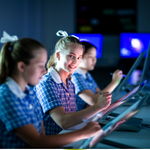
Tips for online learning
Since the pandemic started, we have had to do a lot of online learning, and sometimes, it can be hard. Having to do all our schoolwork online, and having all our classes over a screen, isn't always easy. So, here are three tips for online learning which have helped me, and might help you too.
1. Make a routine
Something that has helped me during lockdown is having a "routine". For example, waking up at a reasonable time every day, then doing things like making my bed in the morning. Other examples could be going on a walk/run every afternoon, or doing an hour or so of homework in the evening. During lockdown, it can be really easy to be lazy, but having a simple routine can give you a good mindset and keep you diligent. It reduces the amount of time doing things other than the work you should be doing.
2. Set goals
Setting goals can be very helpful, especially with school work. Writing goals for yourself can keep you motivated to complete your work, and they could be goals for the day, week, month, or even for the year. An example of a goal could be to finish an assignment by a certain time, or to have checked everything off your to-do list by the end of the week. Having goals keeps you on track, and increases your productivity, which is helpful whether we are in lockdown or not. For me, it has been more helpful when we are online, because I find I have a lot more free time, and sometimes I end up wasting it doing something else rather than my work.
3. Stay social
Even though we are in lockdown, it doesn't mean we can't keep in touch with friends. We are all lucky enough to have technology that easily allows us to digitally see other people. Personally, I have spent a lot of time at home on my computer or phone, Facetiming my friends. It has been scientifically proven that socialising improves one's wellbeing and mental health, and during this pandemic the rates of people with good mental health have gone down.
So, next time you are bored or doing nothing, call some friends and either just have a chat, or maybe even play an online game together. I hope these things help you during online learning, as I know they have helped me.
Jasmine Ma, Year 7
Strathcona staff and students have been included in some recent articles in various publications. Some highlights of publicity include:
The Age, Saturday August 14 2021. Strathcona Principal Marise McConaghy wrote an article over the weekend focusing on what it takes to be an effective leader. She discusses the leadership skills students learn today that will best prepare them for their futures. In an evolving employment landscape, developing soft skills such as their emotional intelligence and interpersonal skills are among those of particular importance to the next generation of leaders. Read the full article here.
Digital literacy, digital intelligence and digital technologies are woven throughout Strathcona’s teaching. If you have not had a chance to read it as yet, Catherine Newton Head of Digital Learning and Innovation wrote an article titled Future Proofing the next generation for the 2021 Strathcourier. Read the full article here.
Career News for 19 August 2021 is now available.
Items in the Career News include:
• Dates to Diarise in Term 3
• The Australian College of the Arts
• News from the University of Melbourne
o New Future Students Webpage
o Guaranteed ATARs for 2022
o University of Melbourne Residential Colleges Virtual Open Day
o Fine Arts and Music Degrees - Extra Requirements
• Career as a Cardiac Technologist
• Global And International Studies Courses in Victoria in
Please click herefor this week's Career News. To visit the Careers page or view previous versions of Careers News click here.

Our Taco Fiesta on Wednesday evening online provided plenty of entertainment for Year 9 students - and staff.
Cooking along with Mrs Narelle Cameron, many students joined the festive atmosphere to cook their family meal, answering quiz questions and sharing a sense of community. Whilst these occasions can sometimes feel forced, they are nevertheless important for providing a sense of togetherness and a feeling that everyone is part of the wider world beyond their own home. It is amazing how rejuvenating such an experience can be. We were also lucky to be joined by our Year 12 Captains Sophie and Emma who cooked along and entertained us. The taco platters looked amazing!
We have 13 Year 9 students who have registered to participate in the BrainSTEM program with Swinburne University this year under the guidance of Tay Creggan Science teacher Ms Sarah Thom. The first Kickstarter event occurred on Monday where groups of 4-5 students were matched with their mentor who will guide them through a series of STEM related challenges. We look forward to hearing more about their innovative ideas down the track.
In a week's time we intend to launch our 2021 Envision businesses. This year there are a fine array of products that are being perfected for sale. These include artworks, bath products, cookies and even vintage records which have been upcycled. We do thank you for your support of these business initiatives, again they provide a sense of purpose and opportunity for our students.
Finally, I read this article in the New York Times a few days ago, all about what it means to languish. In the article, Adam Grant, an American Psychologist, explores languishing, he discusses antidotes to languishing and provides snippets of advice on overcoming feelings of despair. As I look across my screen at our Year 9 students, it is my hope that they too can find small moments of fun and optimism across their day - perhaps even Taco Fiestas have their purpose!
Take care,
Mrs Karyn Murray, Head of Tay Creggan


Dear Parents and Caregivers
200 days of living under lockdown restrictions is not a milestone we wanted to achieve. However, as I reflect on all of the learning that has continued to take place I think we can all be fairly proud of what we have managed to achieve.
The children have had fun during Science Week and don't forget next week is Book Week!! Please don't be concerned if you haven't got a costume - the focus is on our love of books and literature. We have some fun activities and an incursion planned for the girls.
You might like to ask your daughter to check the mailbox next week as I have sent the children a special little package.
Please take care and do not hesitate to reach out at any time if you require any sort of assistance.
Kind regards
Mrs Lisa Miller, Head of Junior School
A reminder that the Year 7 Orientation Portal will open on Friday 27 August. A communication will be sent out with the link soon.

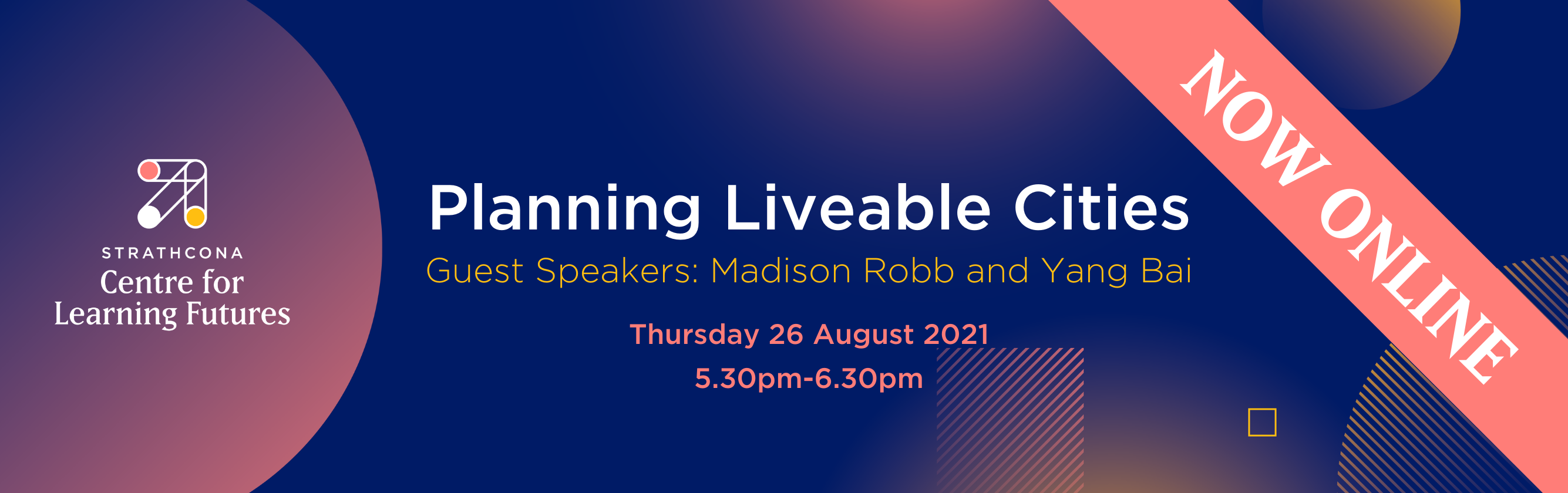
Planning Liveable Cities event is tonight 5.30pm - 6.30pm. Register now!
You are warmly invited to the Strathcona Centre Learning Futures event – Planning Liveable Cities.Hear about urban planning and the impact it has on lives now and into the future. Madison Robb and Yang Bai from Plan Melbourne will share about their careers in urban planning. We eagerly await their presentation where we will learn something that will have enormous impacts on our futures - the future of Melbourne.
Read more about our guest speakers below.
Madison Robb
Madison has over seven years' experience in urban planning, project management and Ministerial roles in State Government, delivering high-profile, large-scale planning and urban renewal projects, including Docklands and Fishermans Bend in Victoria and Perth City Link and Scarborough Beach in WA. Originally from Perth, Madison moved to Melbourne 4 years ago and took a short break from planning to explore cities as cabin crew for Virgin Australia, before COVID-19 hit the travel industry. Madison now works on delivering Plan Melbourne 2017-2050, the Victorian Government's strategy to guide the growth of Melbourne until 2050, including where people live and work and how we connect people to jobs and services.
Yang Bai
Yang Bai is a strategic planner working on the 20 minute neighbourhoods project in the Planning Department of Victoria. Her passion is in understanding the relationship between people and urban space, and also how we can create quality spaces. She is also interested in spatial data analysis and visualisation to facilitate communication and decision making. She was an engineer before moving to Melbourne to study Urban Planning. She is now also studying Urban Design.
Click here to register for this event.
Tomorrow at 7.15am is Strathcona's Green Evolution Breakfast. We hope that you can join us for what is going to be a very informative event.
Hear from our panel of experts about climate change and rising sea levels, and be inspired by stories of action from local sustainability heroes. Learn about Strathcona’s own "Green Evolution’’ and commitment to a better Earth for girls and families everywhere.
Click here to register for this event.
Dr Kathleen McInnes ('79) - CSIRO Oceans and Atmosphere
Kathleen McInnes leads the Climate Extremes and Projections group of the Climate Science Centre in CSIRO's Ocean and Atmosphere business unit. Her work deals with how climate change will affect severe weather and coastal extreme sea levels through numerical modelling and climate model analysis with a focus on Australia and small islands. She has developed climate projections for impact and adaptation assessments to assist local government manage and adapt to climate change. Her contribution to this work was awarded Eureka award in 2003 and 2009. She has published over 200 refereed publications and other reports and articles and was a contributing author on the IPCC second, third, fourth and sixth assessment reports. She was a lead author on the IPCC Fifth assessment report chapter on Coastal Systems and Low-Lying Areas as well as a lead author on the IPCC Special Report on Managing the Risks of Extreme Events and Disasters to Advance Climate Change Adapation in 2012 and the IPCC Special Report on Oceans and Cryosphere in 2019. She currently serves as a co-chair of the World Climate Research Program Grand Challenge on Regional Sea Level Changes and Coastal Impacts. In 2017 she became a Fellow of the Australian Meteorological and Oceanographic Society and in 2020 she was awarded the CSIRO Medal for Lifetime Achievement.
Ninna K Larsen, Founder and Director - Reground
"Reground exists to help businesses help the environment and not let coffee, chaff or soft plastic waste end in landfill. Reground creates a community around waste resources to educate us all on how to make our future more sustainable.Reground changes our current waste disposal structure making it more resourceful for our pocket, people and planet.Reground exists to create positive change."Ninna is an expert in behavioural design, marrying her passion for sustainability and practicality to create real change in the waste and innovation space. She founded Reground in 2014 after experiencing the unnecessary coffee waste in Melbourne. Determined to see businesses stepping into the circular economy, she is creating a movement of businesses that puts impact over profit.
Matt Jones, Director - Mamachi
Matt owns and operates a number of Energy and Technology businesses and is driven to accelerate Australia's Energy and Carbon Transition. His passion and experience in Sustainability and Renewable Energy drives Matt to create impact and value for the Education Sector and other large organisations across the country. Through increasingly intelling and automated Building, Asset and Energy Management technologies Matt has delivered large scale programs and portfolio wide data management strategies nationally, achieving meaningful energy, emissions and building outcomes across most sectors.
Hollie Fields - Head of House, Strathcona Sustainability Team Leader
Hollie Fields has taught the Geography curriculum in schools across Victoria and Tasmania. She is committed to giving students on active role in sustainability education by providing them with knowledge and skills to foster change. Currently she teaches at Strathcona Girls Grammar where she leads the Senior curriculum for Geography (10-12). Alongside this, Hollie is a member of the School's sustainability committee, oversees the environment club and participates in the Boroondara Indigenous Network. Having presented at the Australian Geography Teachers Conference in 2019, Hollie engages with an Australia wide network of teachers to consider the best approaches for raising awareness for an ecological mindset. She believes everyone has a key role and that significant change is required to reduce the impacts of modern lifestyles on the natural environment.

A reminder to parents to access SchoolTV via MyStrathcona for recent special reports and other helpful tools. This month's Special Report: Instilling Hope In Uncertain Times.
It is a great edition for parents and adult carers with children across all year levels.
Read the special report here.
Although life is always filled with uncertainty, the levels we are currently experiencing are unprecedented and it is becoming evident that this is taking a toll on our young people. The most recent research from Mission Australia makes clear the breadth and depth the pandemic is having on our youth across the nation.
It appears that lockdowns and tighter restrictions will be with us for some time, but it is important in such times of uncertainty to instil hope and remain optimistic. Adult carers can play a vital role in helping young people reframe their worries, encouraging them to see life as it is and getting them to focus more on the things they can control, rather than those they can’t.

View our Child Safety Policy here