The Rich Hinterland of the Mind
Marise McConaghy, Principal

 Loading events...

Dear Parents and Caregivers,
We have made it through our fourth lockdown (could we ever have imagined what that word would mean 18 months ago?). Now we can take a collective sigh and ‘reset’ having ‘pivoted’ our students back to the full blast of exams and SACs for the older students and their teachers, and a ‘new normal’ (so many pandemic words we have gotten used to) way of school life for the younger ones.
The words we use do seem to reflect the times we are in. The word ‘dystopian’ seems to have been used much more now, whereas, as an English teacher, my recollection is that it used to be pretty much confined to discussions on books and films of imagined worlds denoting a place or state where everything is unpleasant, strange or bad. Not my favourite genre to teach, that’s for sure. Few of us had any clear idea or care what ‘contact tracing’ was and ‘donuts’ were something you ate. A ‘pandemic’ was the Spanish Flu (which we thought – if we ever did think about it - could never happen again) or it was the stuff of Sci Fi. Perhaps those far smarter or less Pollyanna-ish than me could forecast the possibility of a pandemic, but I think I speak for many when I say it was not until those days ticked through into late January last year that we paid too much attention.
Now, three semesters later, we have lived through something that is very significant historically, particularly so here in Melbourne. We have done our best to do this with dignity, grace and wry (sometimes dark) good humour. Most of us are a bit exhausted and somewhat numb, needing to get ourselves fitter for what would be a pretty normal socialising volume back in the day. What, see three lots of people in one weekend?! I suppose it is social fitness really.
It has made me think quite a bit of how this coming in and out of lockdown has been for our students, particularly those less robust socially or whose social networks are complex, unformed and/or shifting. We are, for the most part, fully formed grown-ups so have more experience and mature social networks to draw on, but some of our young people are struggling and not always finding the best ways of coping.
Over the break, I ask you to frame intentional conversations with your daughters where your family values about how people should be treated, especially online, are made very clear. Also, we need onlookers to feel more confident about speaking up and calling out conduct that should not be tolerated. I know such conversations with young people can be difficult as blame, or a feeling of that, can become the focus; however, these conversations about what is right and wrong need to be had. Even if it is almost impossible to work out exactly what is right or wrong and who has done what (human relations are so grey and fluid), these conversations need to occur (what is more important than to try to lead a good life?). In a car is good, as the lack of eye contact makes conversation less intense and they (and you) know there is an end point. Certainly as a School, we have been and will continue to work on this with our students, many of whom have seemingly lost their usual good judgement and empathy as they have inhabited this twilight world of TikTok, Snapchat etc far too much these last months without enough of the real contact of human being to human being. The online world of students is mostly conducted in your homes and it is imperative for parents not to presume all is well in that world or that your own children have not momentarily lost their way despite the moral compass that you have so carefully nurtured in them over the years. There are some very fragile young people out there at the moment. Online pile-ons, cruel or thoughtless comments/TikToks or deliberate public exclusion may have more impact than our young people could ever anticipate.
As some of us go into the break, I think it is time for us to tend to the ‘hinterland of our minds’ and nourish ourselves so we are operating at a level beyond mere survival. ‘Hinterland’, in this sense, is to do with pursuits outside job or career. It refers to someone’s depth and breadth of knowledge and appreciation especially of cultural, academic, artistic, literary and scientific pursuits. Or what it is like to be in another city, state or country. As we went through the lockdowns and could not go out, we had time to pursue other things, but such was the heaviness and strangeness of the time, that most of us did not. Certainly, we turned to material produced by the creatives (we must support these people now as their livelihoods have been pretty much the worst hit through all of this): film, books, music and television. But as far as I go anyway, my Netflix binges were not particularly edifying and the pile of very worthy books on the bedside table remained largely untouched.
It would seem obvious that digging in the same hole all day just ends up with you in the same place only deeper. For creativity, discovery, breadth and richness of thought, we need to seek ideas and influences far and wide and fold them into our existing ideas and that of our family, friends and colleagues. Certain professions, especially when busy or under extreme pressure, can become very insular and narrow and exist in a kind of echo chamber. For our students, our job here at School is to ensure that they have depth and breadth of intellectual stimulation and challenge – to expand their horizons. But perhaps some of them have gotten into a different sort of echo chamber to us in their world outside classes, in their groups and social media feeds, and they have lost their way a bit.
As we move into this break, I would like to again give you my heartfelt thanks for all that you have done to support the School as we have navigated our way through this first part of 2021 on the back of what 2020 brought us. Once again, our dedicated staff have gone the extra mile over and over again. I feel blessed to be in such a connected, caring community. Together, we are doing this as best we can and we know we need to continue to look out for each other and our kids as we move on ‘Bravely, Faithfully and Happily’.
Best wishes for a wonderful holiday from School routine; we shall all try to fertilise the ‘hinterland of our minds’ each in our own way. I think mine has gone to weeds and definitely needs a bit of water and some topsoiling!
Warm regards,
Mrs Marise McConaghy, Principal



Dear Parents and Caregivers,
With the end of Term two upon us tomorrow I just wanted to take this opportunity to thank all of our students and families for adapting so successfully to another unique term. We have had a very busy last few weeks of term, including VCE Music Performance Recitals, Year 7 Drama Showcase, Year 11 Tree Surfing Adventures and our End of Term Roving Assembly.
Upon our return in Term 3, we will be holding our second round of Learning Conferences.
For the Senior School, please be aware that we have adjusted the structure to conduct the Year 7 to 12 Learning Conferences online. We will send out more information in Week One of Term 3.
Day 1 Thursday 22 July 1.30pm – 7.00pm
Day 2 Monday 26 July 4.00pm – 7.00pm
I wish you all a very safe and relaxing break and look forward to seeing you in Term 3.
Ms Tracy Herft, Deputy Principal

Reminder to check your daughter's progress this semester online.
Dear Parents and Caregivers,
As we come to the end of Semester 1, I remind you that you are able to monitor your daughter’s progress by accessing her ongoing feedback online, over the course of each Semester. If you are unsure how to access this feedback, please consult the instructions here. Please also note that an annual transcript of grades published to you on MyStrathcona each year continues to be produced at the end of the academic year for the purpose of record-keeping.
On MyStrathcona you should find:
Grades and/or feedback in the form of comments, rubrics or annotated work each semester. You should find several pieces of feedback in each subject now. For rubrics or annotated work you will need to click into the item to view the feedback.
Learning Behaviours rubrics completed by the last week of each term, for all subjects. The Term 1 and 2 rubrics are available now.
If you have any questions about the process of reporting contact me at rphillips@strathcona.vic.edu.au. For any questions about technical issues relating to reporting, contact parentassist@strathcona.vic.edu.au For questions about any of the specific tasks or feedback, contact the relevant subject teacher.
Mr Ross Phillips, Senior Dean of Learning Futures

As part of a refresh of MyStrathcona, we are giving it a new name and we want YOU to help us name it! The competition closes this week, so submit your suggestions now!

Suggestions are welcome from staff, students, and parents in the community and if your suggestion is chosen you will win a pair of Pro Apple AirPods, valued at $304.00.
Some guidelines:
Keep it short and sharp!
The more symbolic of our school, and positive, the better!
Tips:
You can submit as many suggestions as you wish and all suggestions are welcome. The more suggestions the better!
To Enter:
Place your suggestion in this online form by July 31: https://sb.strathcona.vic.edu.au/survey/intro/384
Questions?
Email Mrs Newton cnewton@strathcona.vic.edu.au

Dr Anita Collins in a recent webinar posed the following question:
“What if a large number of scientific studies found that there was just one activity that could improve our cognitive function; help our memory systems to work; help us to learn language; help us to moderate our emotional states; help us to solve complex problems; and help our brains to be healthier into later life; What if that activity was actually enjoyable; for everyone involved?"
In an international study conducted over a period of 20 years, participants who had experienced a formal and sequentially developed music education were found to have on average 150% more grey matter and 20-30% more white matter within their brains, than those who had not or are not involved in instrumental or music programs. The findings and further testing showed that music students developed a higher executive function; greater empathy and agency, and the flow-on benefits in problem-solving, collaborating, and overall well-being.
It is certainly no coincidence that 9/10 of the mathematics competition top scorers are musicians – their brains are wired differently, their instrumental music involvement has caused multiple extra neuron pathways to be established, connecting both hemispheres of the brain. Leading neuroscientists first discovered this while using Functional Magnetic Resonance Imaging and Positron Emission Tomography to record and investigate the brain activity generated by both actively making music and just listening to music. Other activities recorded as part of these studies showed associated activity in various parts of the brain, however, “it was like major fireworks going off in every cortex as participants were playing or listening.”
Music has the power to alter mood, give comfort, entertain, inspire dance or movement (sometimes subconsciously) enhance the telling of a story or create drama; link products to our musical memory; take our minds to other places or memories.
Playing an instrument is the only activity that has been proven to actually activate all of the key areas of the brain (and senses) concurrently to produce a single result i.e. a musical tone or sequence of notes to form a meaningful melody and further music with more complex multi-layered musical compositions, even more so.
Yes, most people when asked what music does for us as humans? Most would probably answer, “it allows me to express myself or my inner feelings, it makes me feel good or want to move; I like to sing in the shower and pretend I’m someone and somewhere else – all are valid and perfectly reasonable responses but music is so much more powerful and fundamental to us as humans. Language acquisition, reading, and extended literacy skills and abilities have also been linked to how our brains develop. Toddlers learn to discern and decipher sounds and mimic then reproduce in a meaningful way, and at this early stage create musical memory and listening pathways.
All of this is fascinating to read and explore but closer to home what is the what and why of music education at Strathcona? As part of a well-rounded and balanced curriculum, our Performing Arts program from ELC through to Year 12 provides opportunities for us to grow or raise our students’ brains to enable them to be the most successful version of themselves.
At every stage of their school journey, there is a suitable and specifically tailored music learning and experience both in our classroom/core programs and the co-curricular learning and performing programs. At points throughout our ELC to Year 12 curriculum, there are programs integrated into the classroom music experience such as the Year 2 and Year 3 String program and in Year 5 and 6, the band program. The ensembles we offer encourage and support student learning, sense of belonging and well-being, and are also carefully developed to provide an opportunity for each student to participate relative to their age and stage of development or experience as growing young musicians.
It is vital that as much as possible we are able to provide just the right balance between catering for existing abilities and experience while also extending and presenting each member of the ensemble suitable challenges to learn or be comfortable with discomfort which, as Dr. Collins says, ultimately leads to a greater sense of achievement and satisfaction. We know if anything becomes all too easy to do then boredom quickly sets in and a downward spiral begins with a loss of interest and motivation. Just as it is really no fun being absolutely beaten week after week in a sporting arena or even being the clear winners week after week, without at least some challenge, winning loses its shine. How much better is it to be challenged and win by a small or even negligible margin! For me as a sports-mad netballer and softballer – the best matches were always the closest and the ones that pushed us to be “ Faster, Higher, Stronger”.
To a member of an audience, the planning and careful thought that goes into preparing the scope and sequence of learning may not be obvious. It may appear to be simply a nice piece of music that is played and that perception may be that the more advanced students play longer or more complicated music. All of which is true but how they get from “A Hot Cross Buns Symphony” to more complex music is a carefully charted learning program of teaching and building of the many facets of being a musician.
Remember we don’t teach mathematics with the sole purpose of producing future mathematicians or teach English to produce the next generation of authors or journalists and so on and so forth – nor do we teach music to only produce the next generation of professional musicians.
Our Performing Arts offerings include a sequentially developed range of productions which each year typically features the Senior Musical for Years 8 -12; the Middle School Musical Years 5 - 7; a Year 3 and 4 Production; Senior Drama Years 10 -12; Year 9 Drama Club; and more specific curriculum-based works such as VCE Theatre Studies or Drama and the Year 10 productions.
Learning to be comfortable with being uncomfortable, pushing the envelope, or extending comfort zones or known certainties is an important life skill and success. Often perseverance and persistence is an uncomfortable and necessary experience and requires resilience beyond the normal day to day experience. Learning a musical instrument and participating in an ensemble provides a well-scaffolded opportunity for learning to be comfortable.
In an endeavour to understand more about how the human brain operates, it is interesting to note that neuroscientists around the world have for the past couple of decades used music as a means to understand the workings of this most complex “thing” – our brains work and how they are wired. How is it that people who have suffered head trauma, stroke, or elements of dementia that deny them the ability to speak, can communicate using song in everyday situations? They are able to sing anything ranging from the simple – “I’m feeling tired now or I’d like a drink “in a singsong fashion clearly and relatively fluently and yet are unable to articulate using spoken language. It has long been thought that their brains actually bypass some of the language pathways and utilise the same neuro-pathways often referred to as music memory.
And in conclusion to the question posed by Dr Anita Collins during a fascinating Ted talk and in her thesis and recently published book – “The Music Advantage” (2020, Allen & Unwin) - Do you think you would be interested in providing this activity for your children? …….. that activity being Music Education.”
Dr Anita Collins has given a couple of Ted talks entitled “The Benefits of Music Education” and “How playing an instrument benefits your brain” ( 2014), should you be interested in some of her work.
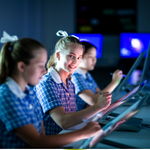
Strathcona Girls Grammar is committed to nurturing students’ learning through physical and mental wellbeing. Strathcona researched current wellbeing pedagogy and programming, and as a result, has the SOUL and Feliciter Programs. Based on Strathcona’s values, the Wellbeing program aims to empower creative, ethical young women who have an authentic sense of self and optimism for their future.
This week we have featured our Senior School Wellbeing Team. Below are the staff behind the Feliciter program for Years 10-12; new this year are the House Mentors who offer extra support to our Senior School students.
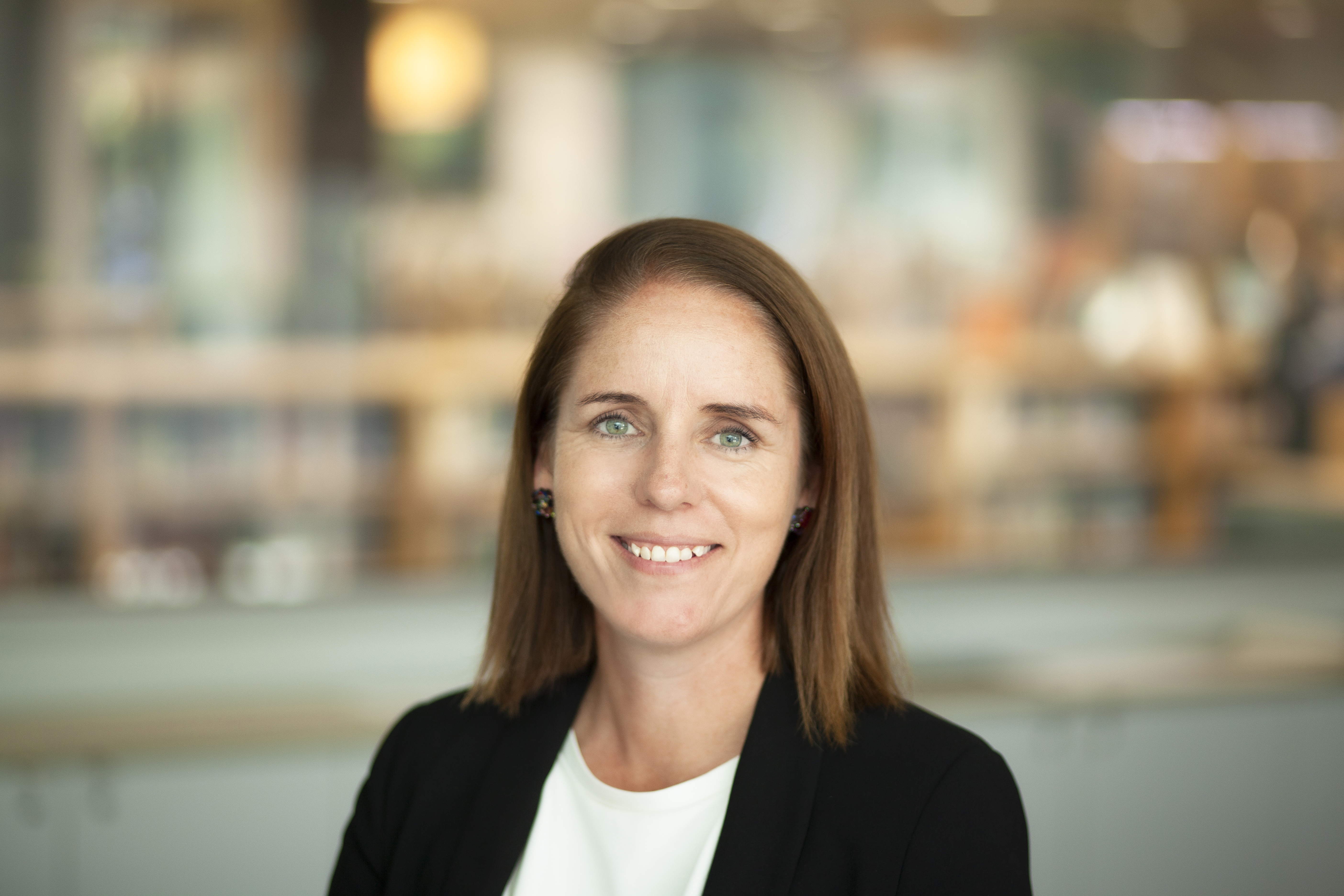
Amber Sowden Dean of Students and Head of Well-being: https://www.strathcona.vic.edu...
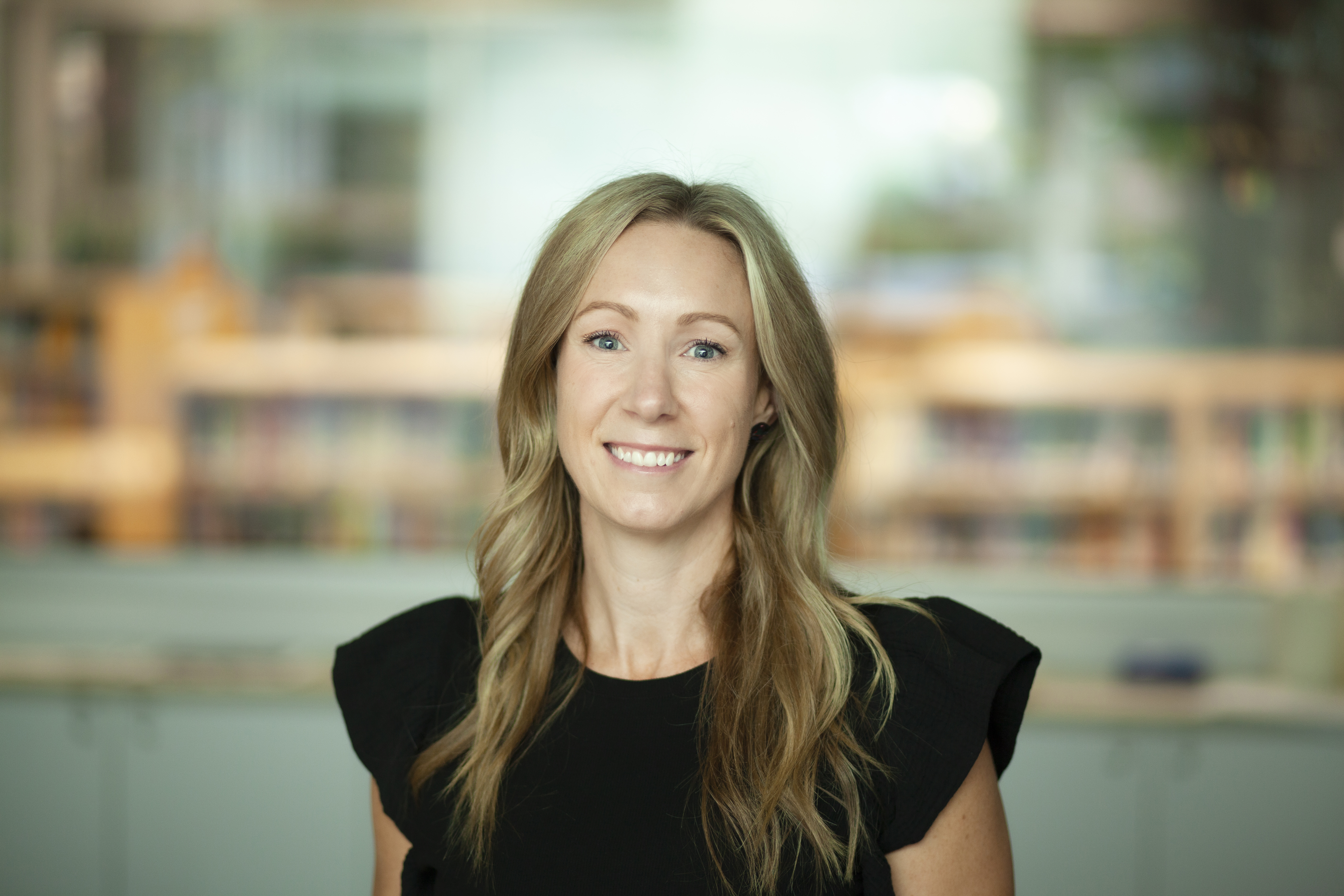
Megan Boyd Head of Findlay House: https://www.strathcona.vic.edu...

Dave Vandenberg Findlay House Mentor: https://www.strathcona.vic.edu...
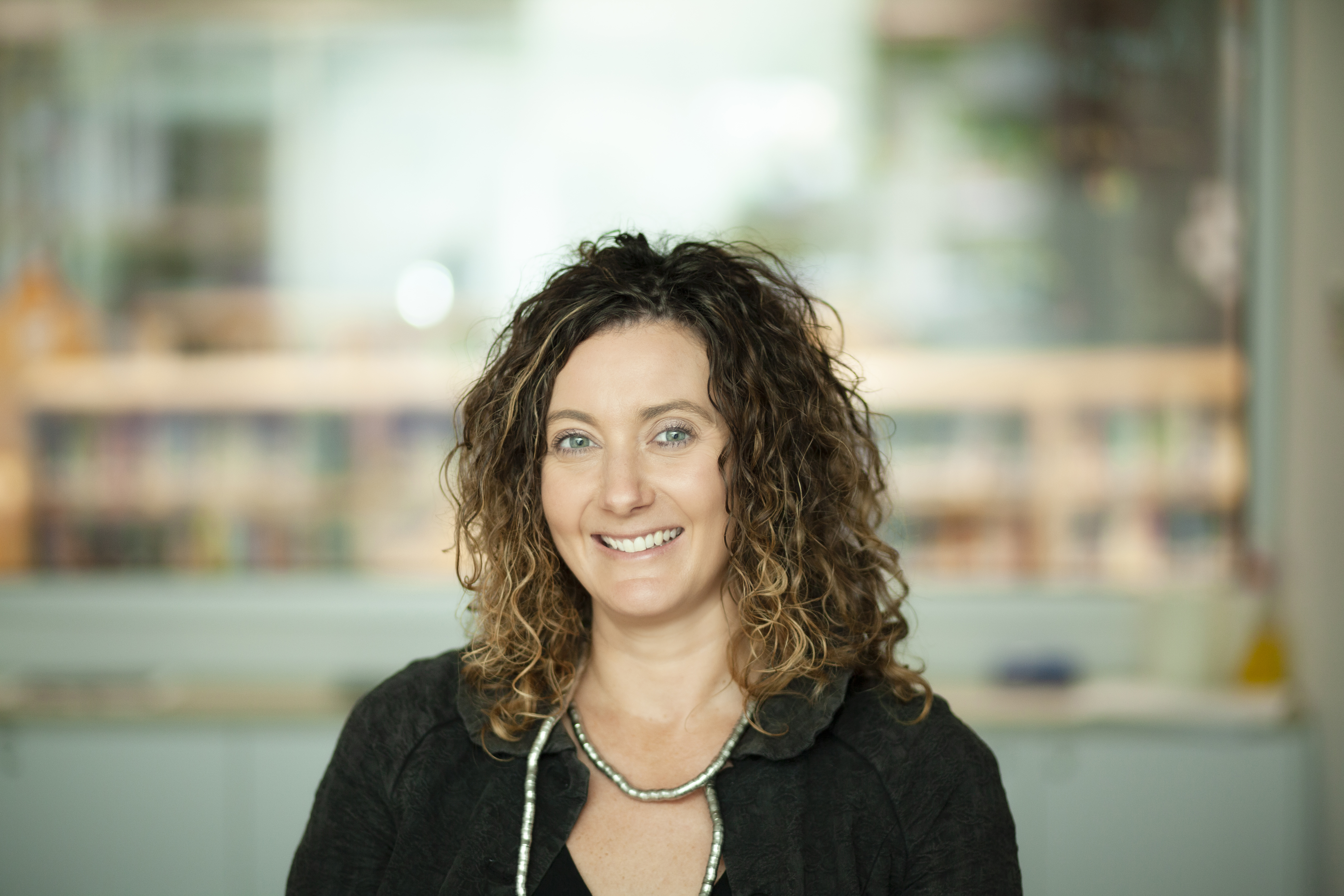
Rhiannon Ward Head of Grenfell House: https://www.strathcona.vic.edu...
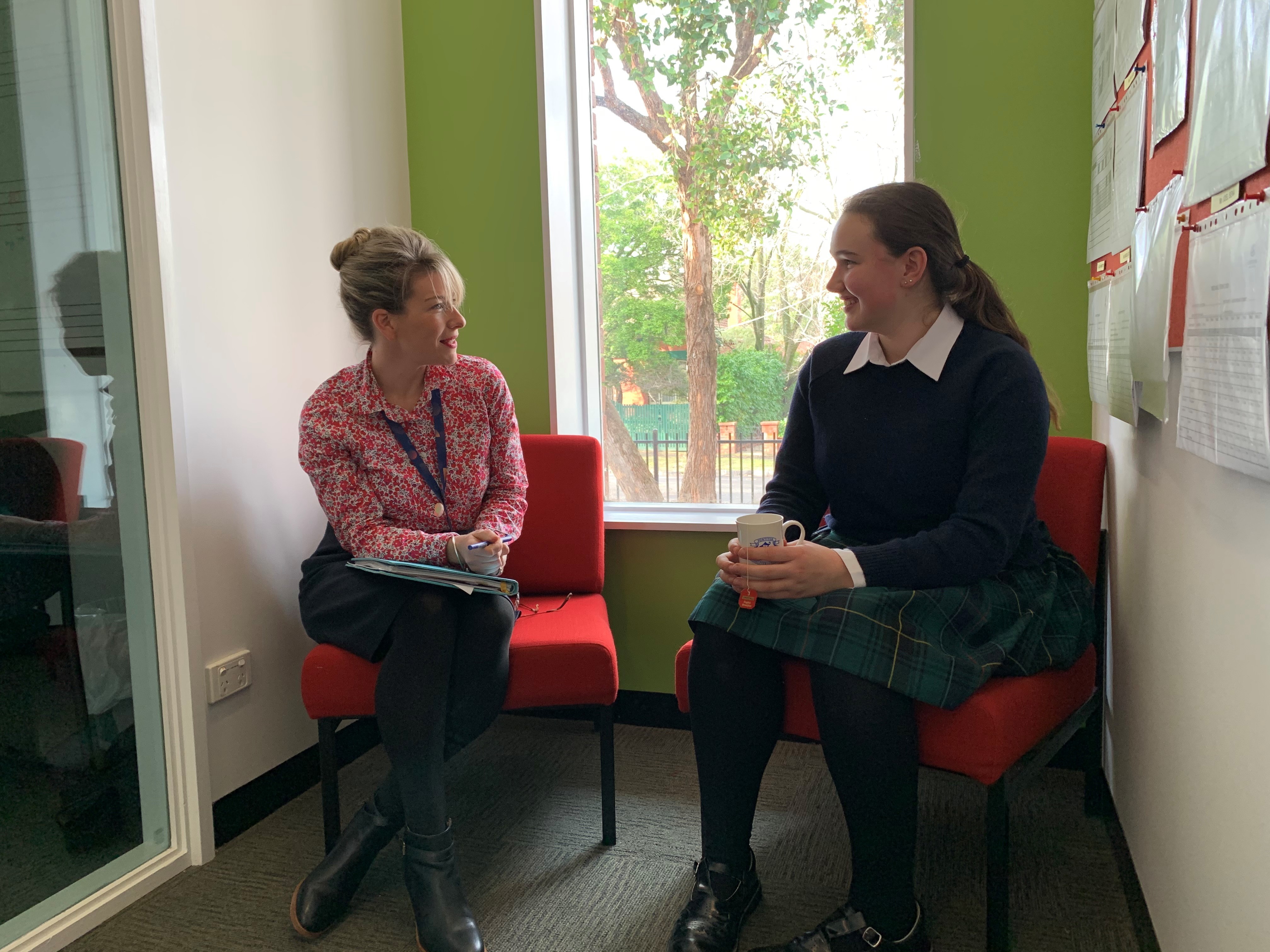
Claire Johns Grenfell House Mentor: https://www.strathcona.vic.edu...

Hollie Fields Head of Arnold House: https://www.strathcona.vic.edu...

Jess Mitton Arnold House Mentor: https://www.strathcona.vic.edu...
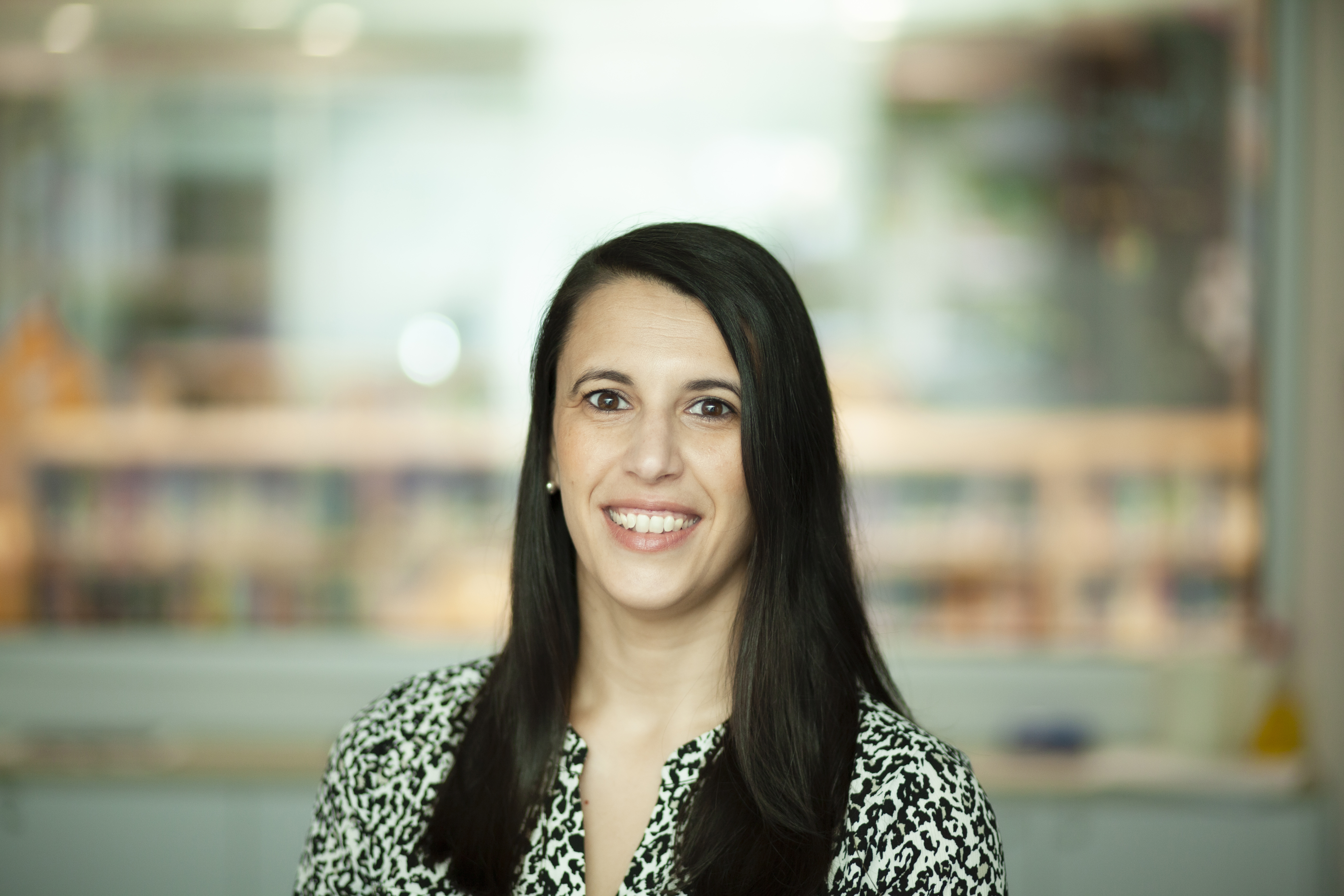
Miranda Gazis Head of Gilbert House: https://www.strathcona.vic.edu...
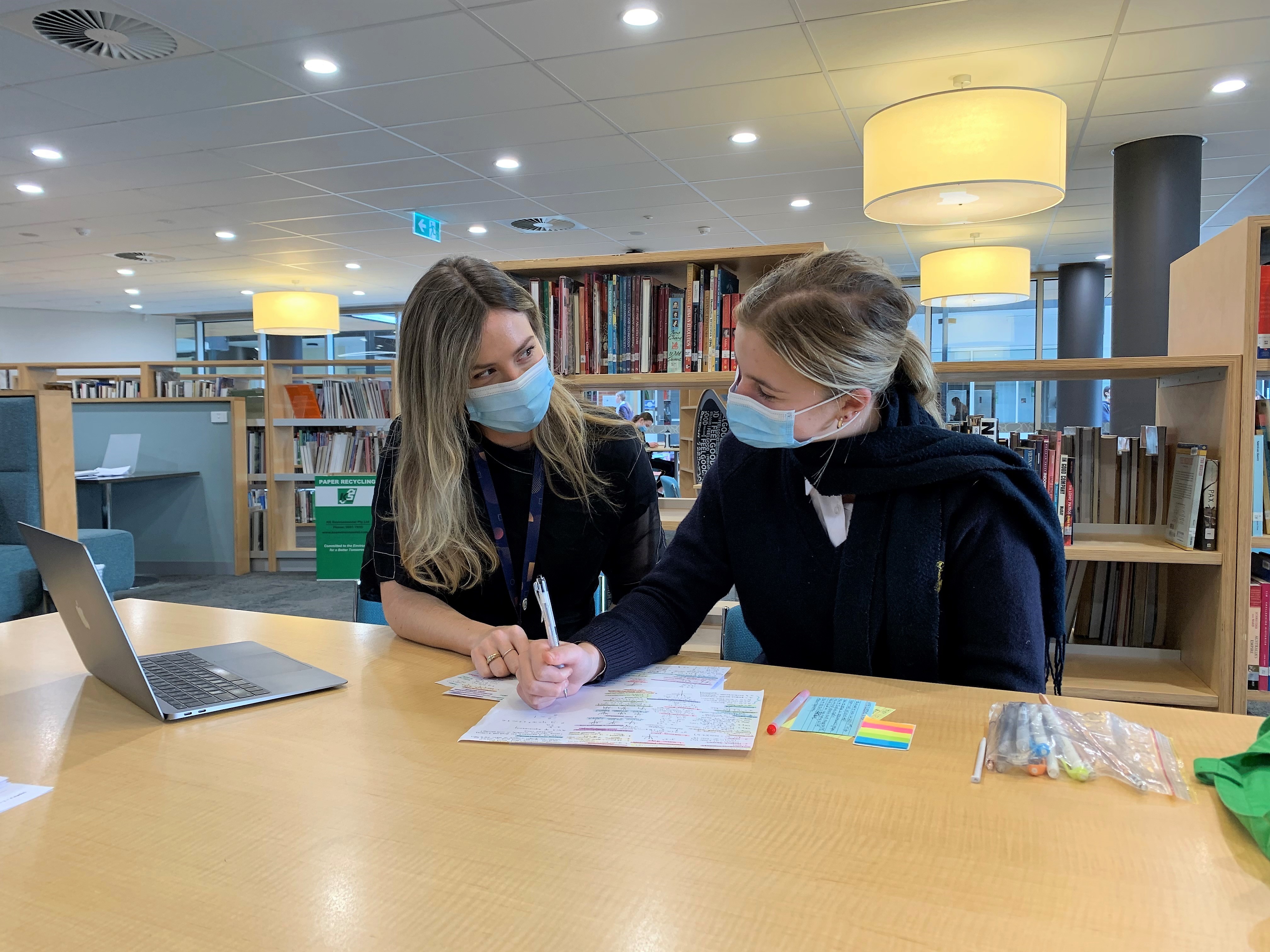
Georgia Cleeland Gilbert House Mentor: https://www.strathcona.vic.edu...
In Term 2 we had a busy STEM Club after-school program for students in Years 7 and 8 who were interested in learning about electronics giving them the opportunity to learn to solder and create their own device such as a doorbell. Year 10 students also had exposure to the world of biomedicine as we had the BioEYES program run by Monash University the week prior to lockdown. Over the course of the week, students nurtured the development of zebrafish embryos and observed the transparent eggs change from single-celled zygotes to free-swimming larvae. This allowed students the opportunity to apply their knowledge and understanding of genetics within the Biology unit.
We have five students who have progressed to the Regional Finals of the Australian Brain Bee Challenge. The Australian Brain Bee Challenge is a competition for high school students in Year 10 to learn about the brain and its functions, learn about neuroscience research, find out about careers in neuroscience, and dispel misconceptions about neurological and mental illnesses. The regional finals will be held sometime in Term 3.
Congratulations to:
Congratulations to all the Year 7-10 students who recently participated in the 2021 Big Science Competition. This competition is designed to test science knowledge, critical thinking, and problem-solving skills. We hope they found the experience rewarding and we congratulate them on their effort and participation. The following students were recognised with a High Distinction, Distinction or Credit:
High Distinction
Distinction
Credit
In Term 3 we look forward to continuing STEM Club after-school for Years 7 and 8 students, participation in the Science Olympiads for further extension, and of course, Science Week (16 – 20 August).
Ms Rebecca Kerr, Head of Science
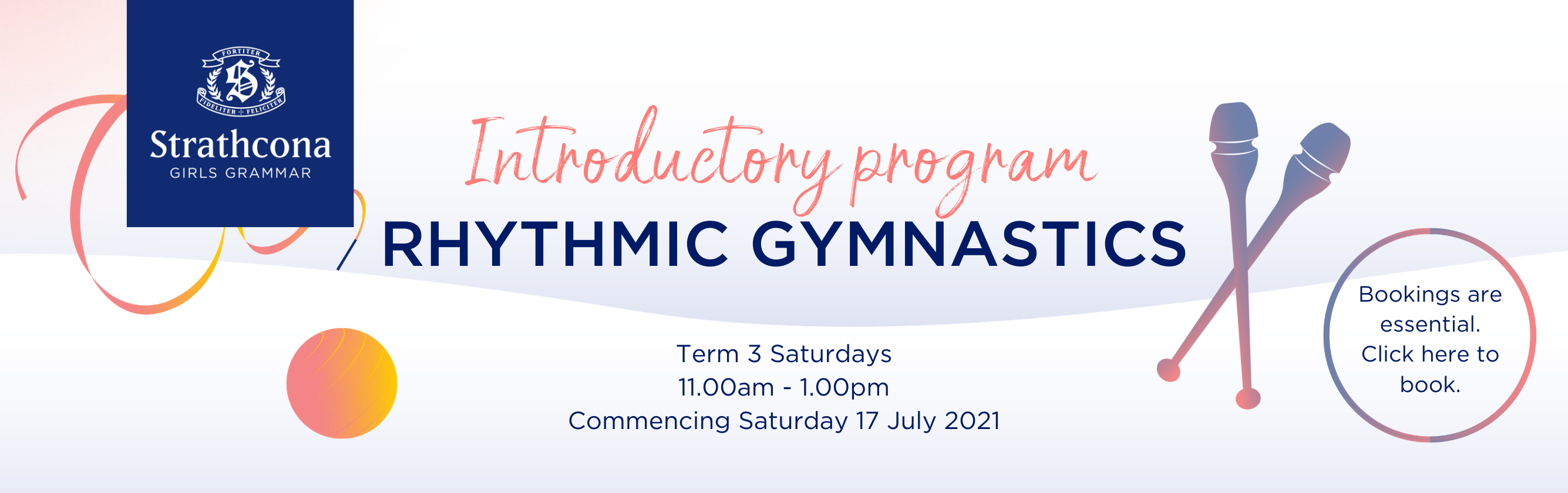
Term 3 Introductory Program for Rhythmic Gymnastics
Term 3 Saturdays, commencing Saturday 17 July from 11.00am - 1.00pm
If you've ever wanted to try Rhythmic Gymnastics this is your chance! Strathcona's Term 3 Introductory Program for Rhythmic Gymnastics is commencing on 17 July 2021, and will run every Saturday of the term. Rhythmic Gymnastics is a graceful sport that combines dance, acrobatics and gymnastics and develops coordination, strength, balance, flexibility, posture and musicality. Above all, it's fun! We can't wait for you to join us in the program.
$232.00 for the full term, or attend a trial class pro rata of the full term fee.
Classes will run from 11.00am - 1.00pm on the below dates:
Saturday 17 July
Saturday 24 July
Saturday 31 July
Saturday 7 August
Saturday 14 August
Saturday 21 August
Saturday 28 August
Saturday 4 September
To book in click here.
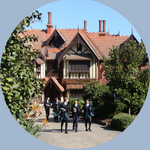
How does one sum up such a jam-packed term? NAPLAN, Camp2Campus, home learning and exams, not to mention all of the day-to-day activities Tay Creggan has occupied us in Term Two.
Last Friday our League of Extraordinary Women's Panel, featuring Renee Moore, Mia Klitsas, and Olivia Carr provided some excellent inspiration for the budding entrepreneurs on campus. Messages such as remembering that our actions have an impact on others, through to business advice - 'follow your instincts' and 'don't be deterred by doubters' resonated with the group as we listened to stories about developing new products and marketing in a variety of ways.
We also spent time this week creating Envision businesses, preparing for our Term 3 launch. The establishment of businesses takes some time as we teach students about finding a value proposition, finding pain points, and understanding your customer.
Exam feedback will also be given this week, with students asked to reflect on their exam technique, study methods, and approach to exams. Excellent conversations and insight have been gained, and most students I have spoken to tell me what they might adjust at the end-of-year exams.
This mid-year break is an excellent time to pause, relax and rejuvenate, in readiness for another action-packed term - and hopefully a few activities that have had to be postponed will also return in Term 3.
Best wishes for a safe and happy break.
Mrs Karyn Murray, Head of Tay Creggan


Dear Parents and Caregivers,
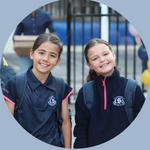
As I reflect on what has been a brilliant term, I can only be grateful for the dedication and excellence shown by our teachers every single day, the support shown towards each other as a community by all of our Junior School families, and the joy that I feel each day as I am blessed to work with your daughters.
The Year 6s have recently enjoyed time in the Design Lab prototyping and creating their sustainable houses.
Please stay safe and enjoy time with your family and I look forward to welcoming you back in Term 3.
Mrs Lisa Miller, Head of Junior School
Click the below images to enlarge


The Year 2 students worked with artist Ana Rita Pires from the City of Boroondara Council Art Project called ‘All Aboard: Travel Through Time’.
Seven schools are involved to make a 44 metre artwork in Canterbury. The girls made collages to represent a bird’s eye view of land masses and train lines and completed an extended drawing of a train where they were asked to imagine what they thought trains might look like in the future. All artworks will be scanned by the artist and put into a composition that will be adhered to the wall.
This project is part of the upcoming Maling Road Winter Art and Light Walk Festival from Friday 16 July – Sunday 18 July. Between 5pm and 9pm enjoy magnificent neon light and art installations along Maling Road with neon artwork displays by internationally acclaimed artist, Carla O’Brien, live music, and art installations co-created with local schools, including Strathcona students. This event is free and will showcase the stunning artwork by the Year 2 students. More information can be found here.



SAVE THE DATE for the Junior School Family Disco!
You are warmly invited to the Junior School Family Disco
Date: 28 August 2021
Time: 6.00pm - 9.00pm
Location: Whitehorse Club, Burwood Highway
Ticket prices(includes meals and unlimited soft drink):
Adults $35
Children $20
Drinks at bar prices.
Bookings will be available in Term 3, we hope you can save the date for what will be a great night!
Term 3 Introductory Program for Rhythmic Gymnastics
Term 3 Saturdays, commencing Saturday 17 July from 11.00am - 1.00pm
If you've ever wanted to try Rhythmic Gymnastics this is your chance! Strathcona's Term 3 Introductory Program for Rhythmic Gymnastics is commencing on 17 July 2021, and will run every Saturday of the term. Rhythmic Gymnastics is a graceful sport that combines dance, acrobatics and gymnastics and develops coordination, strength, balance, flexibility, posture and musicality. Above all, it's fun! We can't wait for you to join us in the program.
$232.00 for the full term, or attend a trial class pro rata of the full term fee.
Classes will run from 11.00am - 1.00pm on the below dates:
Saturday 17 July
Saturday 24 July
Saturday 31 July
Saturday 7 August
Saturday 14 August
Saturday 21 August
Saturday 28 August
Saturday 4 September
To book in click here.


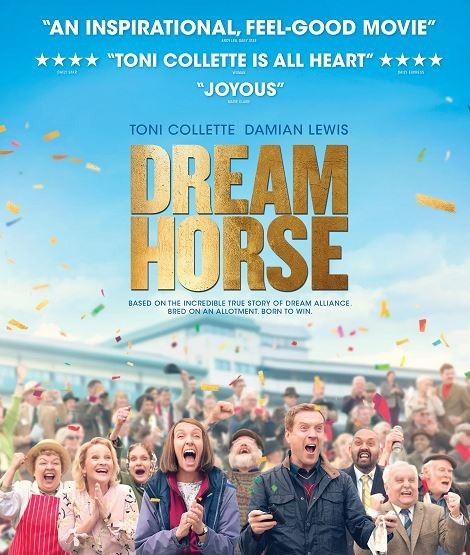
STRATHCONA MOVIE AFTERNOON - DREAM HORSE
We warmly invite you and your family to join us on Sunday 27 June 2021 at the Palace Balwyn Cinema for a special viewing of the film, Dream Horse.
Experience the inspiring true story of Dream Alliance, an unlikely racehorse bred by small-town bartender, Jan Vokes (Toni Collette). With very little money and no experience, Jan convinces her neighbors to chip in their meager earnings to help raise Dream and compete with the racing elites. Their investment pays off as Dream rises through the ranks and becomes a beacon of hope in their struggling community. Also starring Damian Lewis. Dream Horse is rated PG.
Only $14 per family member and refreshments can be purchased at the Candy Bar. Bookings can be made here
The session time will be confirmed closer to the day via email but it will be Sunday afternoon.
We hope you can join us!
On Sunday 27 June 2021 at 4:00 PM to 6:00 PM
Location
Palace Cinema Balwyn
231 Whitehorse Road, BALWYN, VICTORIA 3127
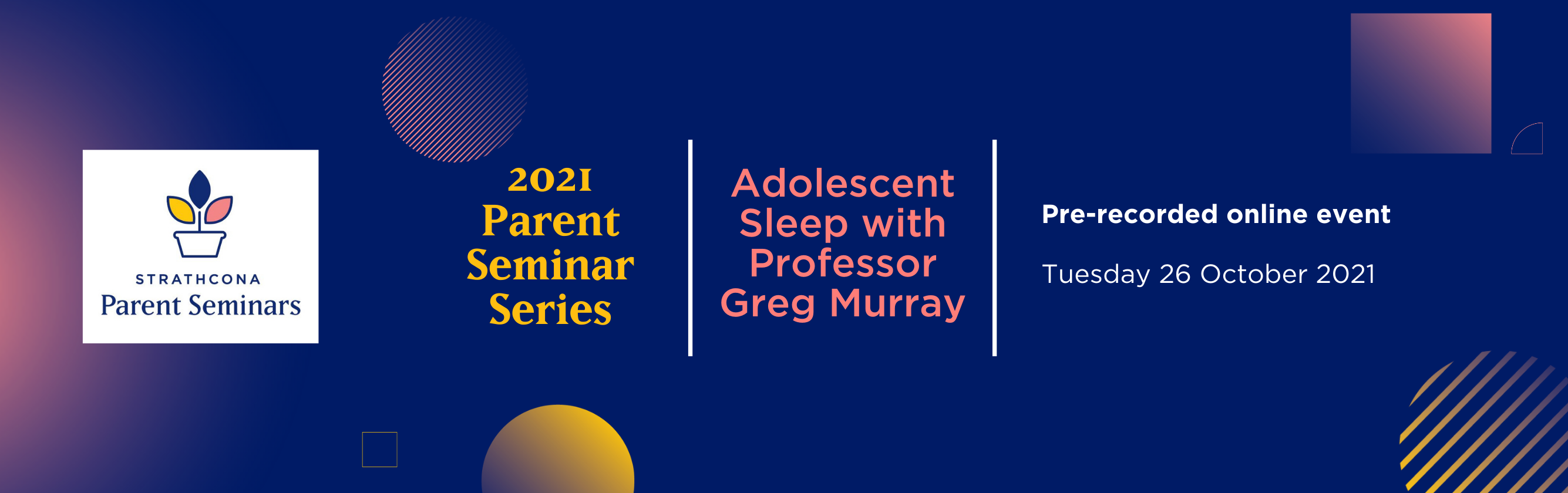
You are warmly invited to our next Parent Seminar Series event on the topic of sleep, adolescence, and school, with guest speaker Professor Greg Murray.
He will discuss sleep and its role in emotional wellbeing, and the biology of how sleep changes in adolescence. The well-known tension between school start times and adolescent sleep preferences will be considered, followed by a consideration of strategies to help adolescents manage this challenge. Professor Murray is an award-winning lecturer and the talk is sure to be highly interactive and engaging.
Professor Greg Murray has an international reputation for clinical psychology research, being ranked in the top 1% of researchers worldwide in the fields of bipolar disorders, circadian rhythms, and personality. He has published more than 200 articles, chapters and books primarily on sleep, biological rhythms and mood disorders, and is a contributor to the American Psychiatric Associations’ DSM. Professor Murray is a practicing clinical psychologist and a Fellow of the Australian Psychological Society. He is currently Director of Swinburne’s Centre for Mental Health, Patron of Bipolar Life Australia, Chair of Orygen Research Review Committee, and Oceania Representative for the International Society for Bipolar Disorders. After a first career in music, he took out his PhD from University of Melbourne in 2001, and has been a full Professor at Swinburne since 2011.
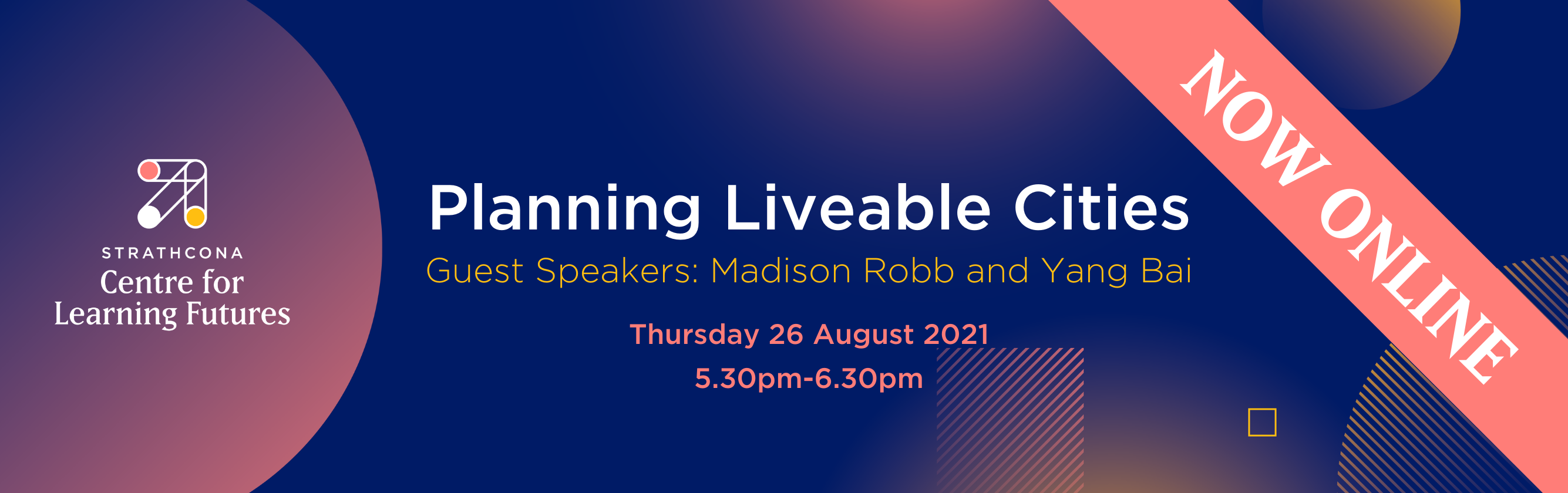
Planning Liveable Cities event is tonight 5.30pm - 6.30pm. Register now!
You are warmly invited to the Strathcona Centre Learning Futures event – Planning Liveable Cities.Hear about urban planning and the impact it has on lives now and into the future. Madison Robb and Yang Bai from Plan Melbourne will share about their careers in urban planning. We eagerly await their presentation where we will learn something that will have enormous impacts on our futures - the future of Melbourne.
Read more about our guest speakers below.
Madison Robb
Madison has over seven years' experience in urban planning, project management and Ministerial roles in State Government, delivering high-profile, large-scale planning and urban renewal projects, including Docklands and Fishermans Bend in Victoria and Perth City Link and Scarborough Beach in WA. Originally from Perth, Madison moved to Melbourne 4 years ago and took a short break from planning to explore cities as cabin crew for Virgin Australia, before COVID-19 hit the travel industry. Madison now works on delivering Plan Melbourne 2017-2050, the Victorian Government's strategy to guide the growth of Melbourne until 2050, including where people live and work and how we connect people to jobs and services.
Yang Bai
Yang Bai is a strategic planner working on the 20 minute neighbourhoods project in the Planning Department of Victoria. Her passion is in understanding the relationship between people and urban space, and also how we can create quality spaces. She is also interested in spatial data analysis and visualisation to facilitate communication and decision making. She was an engineer before moving to Melbourne to study Urban Planning. She is now also studying Urban Design.
Click here to register for this event.
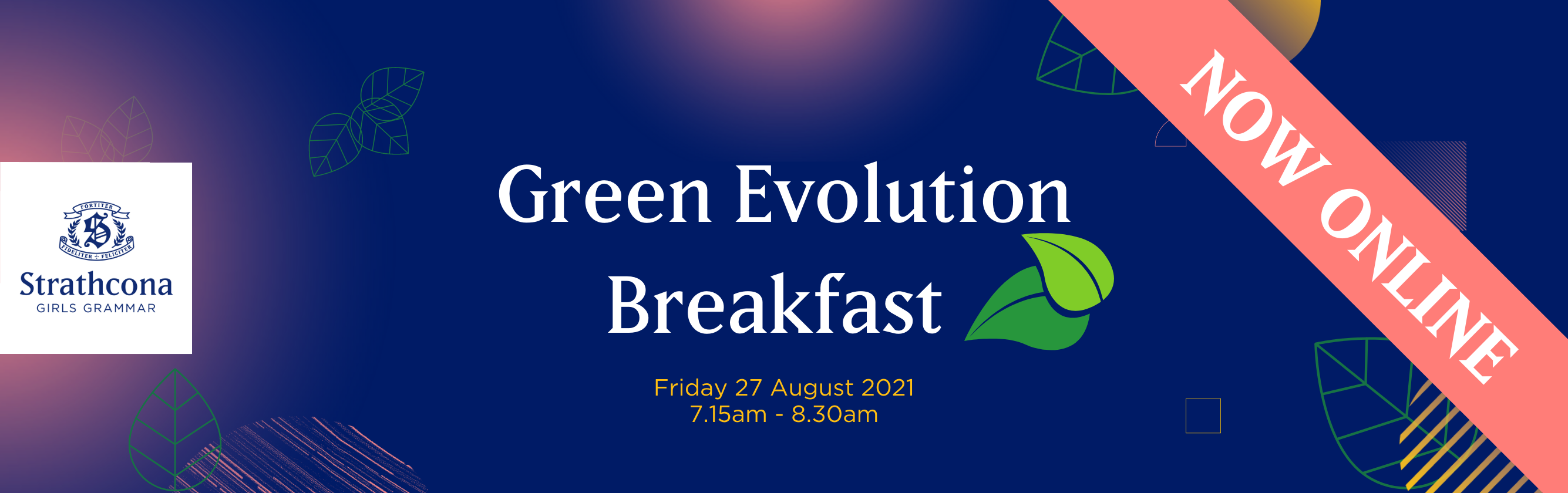
Tomorrow at 7.15am is Strathcona's Green Evolution Breakfast. We hope that you can join us for what is going to be a very informative event.
Hear from our panel of experts about climate change and rising sea levels, and be inspired by stories of action from local sustainability heroes. Learn about Strathcona’s own "Green Evolution’’ and commitment to a better Earth for girls and families everywhere.
Click here to register for this event.
Dr Kathleen McInnes ('79) - CSIRO Oceans and Atmosphere
Kathleen McInnes leads the Climate Extremes and Projections group of the Climate Science Centre in CSIRO's Ocean and Atmosphere business unit. Her work deals with how climate change will affect severe weather and coastal extreme sea levels through numerical modelling and climate model analysis with a focus on Australia and small islands. She has developed climate projections for impact and adaptation assessments to assist local government manage and adapt to climate change. Her contribution to this work was awarded Eureka award in 2003 and 2009. She has published over 200 refereed publications and other reports and articles and was a contributing author on the IPCC second, third, fourth and sixth assessment reports. She was a lead author on the IPCC Fifth assessment report chapter on Coastal Systems and Low-Lying Areas as well as a lead author on the IPCC Special Report on Managing the Risks of Extreme Events and Disasters to Advance Climate Change Adapation in 2012 and the IPCC Special Report on Oceans and Cryosphere in 2019. She currently serves as a co-chair of the World Climate Research Program Grand Challenge on Regional Sea Level Changes and Coastal Impacts. In 2017 she became a Fellow of the Australian Meteorological and Oceanographic Society and in 2020 she was awarded the CSIRO Medal for Lifetime Achievement.
Ninna K Larsen, Founder and Director - Reground
"Reground exists to help businesses help the environment and not let coffee, chaff or soft plastic waste end in landfill. Reground creates a community around waste resources to educate us all on how to make our future more sustainable.Reground changes our current waste disposal structure making it more resourceful for our pocket, people and planet.Reground exists to create positive change."Ninna is an expert in behavioural design, marrying her passion for sustainability and practicality to create real change in the waste and innovation space. She founded Reground in 2014 after experiencing the unnecessary coffee waste in Melbourne. Determined to see businesses stepping into the circular economy, she is creating a movement of businesses that puts impact over profit.
Matt Jones, Director - Mamachi
Matt owns and operates a number of Energy and Technology businesses and is driven to accelerate Australia's Energy and Carbon Transition. His passion and experience in Sustainability and Renewable Energy drives Matt to create impact and value for the Education Sector and other large organisations across the country. Through increasingly intelling and automated Building, Asset and Energy Management technologies Matt has delivered large scale programs and portfolio wide data management strategies nationally, achieving meaningful energy, emissions and building outcomes across most sectors.
Hollie Fields - Head of House, Strathcona Sustainability Team Leader
Hollie Fields has taught the Geography curriculum in schools across Victoria and Tasmania. She is committed to giving students on active role in sustainability education by providing them with knowledge and skills to foster change. Currently she teaches at Strathcona Girls Grammar where she leads the Senior curriculum for Geography (10-12). Alongside this, Hollie is a member of the School's sustainability committee, oversees the environment club and participates in the Boroondara Indigenous Network. Having presented at the Australian Geography Teachers Conference in 2019, Hollie engages with an Australia wide network of teachers to consider the best approaches for raising awareness for an ecological mindset. She believes everyone has a key role and that significant change is required to reduce the impacts of modern lifestyles on the natural environment.
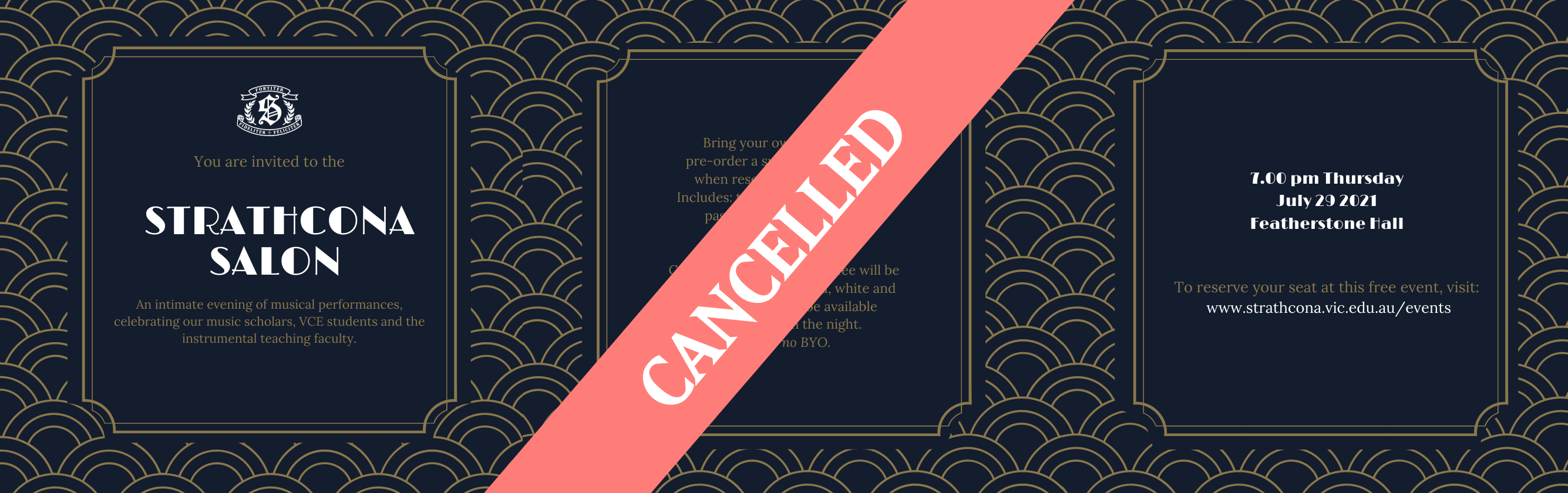
Unfortunately this event has been cancelled.
View our Child Safety Policy here
